
📅 Date: June 27, 2025
Author: Black Xcellence News
📝 Full Blog Post Content:
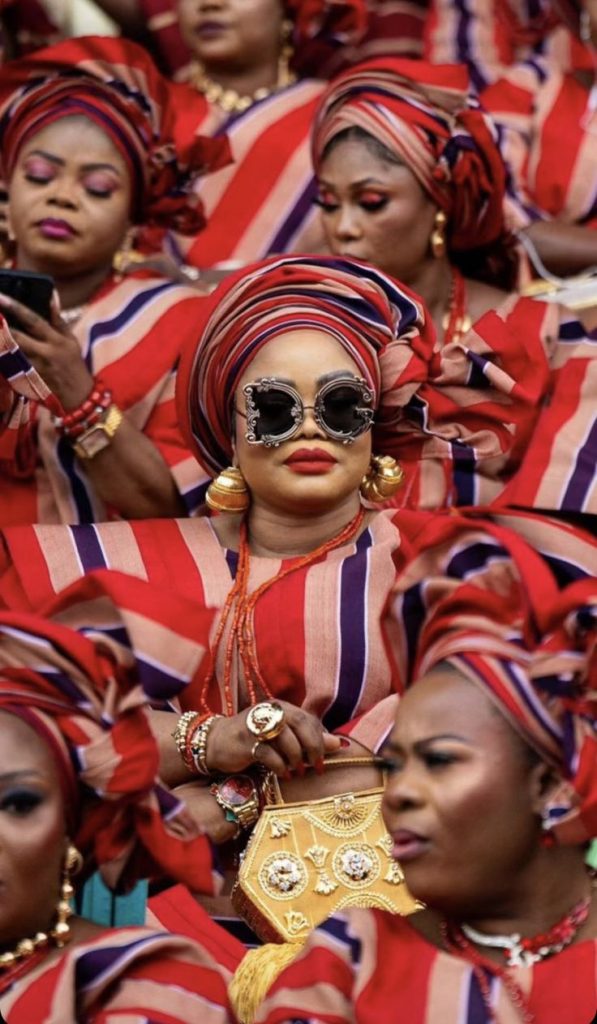
Paris Fashion Week Spring/Summer 2025 took a powerful and unforgettable turn as African designers — particularly from Nigeria and Ghana — stole the spotlight with collections that boldly celebrated heritage, identity, and innovation.
From Ankara-inspired haute couture to modern streetwear infused with kente patterns, the runway became a canvas for African creativity, storytelling, and pride.
🇳🇬🇬🇭 Designers Who Dominated:
Among the standout names were:
Lisa Folawiyo (Nigeria) – Known for reimagining traditional West African textiles, her pieces blended sequins, silk, and Aso-Oke in sophisticated silhouettes that dazzled the Paris crowd.
Papa Oppong (Ghana) – His “Modern Royalty” collection featured gender-neutral designs that paid homage to ancient Ashanti fashion, drawing a standing ovation.
Kenneth Ize (Nigeria) – Famed for his contemporary use of woven aso-oke, Kenneth’s runway presentation blurred the lines between tradition and futurism.
“I’m here to remind the world that African fashion isn’t just about prints — it’s about power, legacy, and vision,” Kenneth Ize told Vogue Africa.
👏 Global Recognition
Fashion editors from Vogue, Harper’s Bazaar, and BOF (Business of Fashion) praised the African showcases as the “highlight of the week.” Rihanna, Naomi Campbell, and Pharrell Williams were all spotted at the shows, with Pharrell even wearing a Ghanaian-designed agbada on Day 3.
Critics and fans alike hailed this year’s shows as proof that African fashion is no longer on the sidelines—it’s leading the global style conversation.
✨ Cultural Significance
This year’s success in Paris is more than just about design. It’s about:
Reclaiming African narratives
Empowering local textile industries
Breaking stereotypes about African fashion
Creating global opportunities for young designers
From music to movies and now fashion, Africa continues to define what’s next in global culture.
🧵 More Than Just Clothes:
The collections spoke on:
Sustainability through hand-woven fabrics
Empowerment of artisans back home
Afro-futurism blended with tribal influences
Runway music also reflected this cultural shift, with beats from Wizkid, Tyla, and Burna Boy setting the mood.