
Why Gen Z in Nigeria Is Redefining Success Outside University Degrees
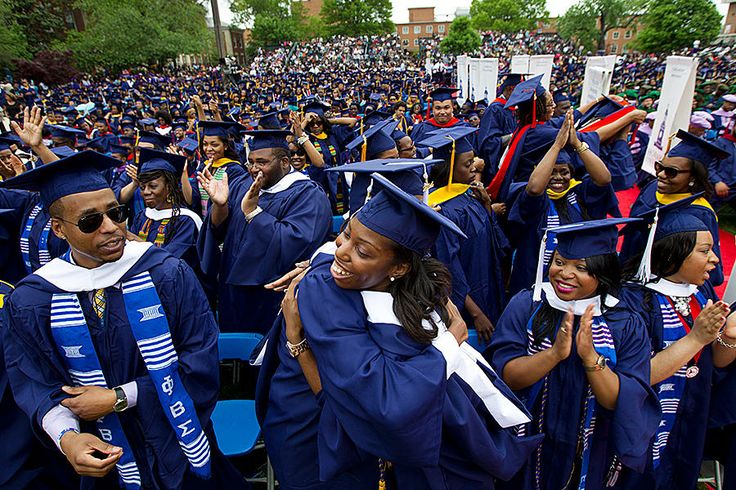
For decades in Nigeria, success followed a rigid formula: get good grades → gain admission into a university → graduate → get a job → build a life. That formula shaped not only policies and parenting styles, but entire generations.
But in 2025, something fundamental is shifting. Enter Gen Z — a generation raised on mobile phones, TikTok, and internet hustle — who are increasingly questioning that old roadmap.
Today, for millions of young Nigerians, university is optional and self-determined success is the new standard.
🎓 From “Certificate First” to “Results First”
The traditional reverence for university degrees is slowly losing ground. Here’s why:
🔹 The Degree Economy Is Broken
-
Thousands of university graduates are unemployed or underpaid.
-
NYSC placements no longer guarantee career relevance.
-
Many students graduate without digital skills, critical thinking training, or job-ready experience.
“I studied political science, but I make money editing videos on CapCut,” says 22-year-old Ebuka from Owerri.
🔹 Education Is Evolving
-
Young people are learning tech skills on YouTube and Coursera.
-
Teens are building careers in content creation, UGC, dropshipping, UI/UX, and coding.
-
Platforms like Notion, Canva, and ChatGPT are leveling the playing field for self-learners.
Rise of the Internet Income Class
The internet isn’t just a tool — it’s a career launchpad. Nigerian Gen Z is using online tools to monetize:
-
Writing & Blogging (Substack, Medium, personal websites)
-
Tech Skills (frontend dev, design, app development)
-
Content Creation (TikTok, YouTube, faceless channels)
-
Digital Marketing (influencing, brand deals, ad placements)
-
Affiliate/Info Products (selling courses, digital guides, eBooks)
-
Freelancing (Fiverr, Upwork, LinkedIn gigs)
Many of these skills can be learned and monetized before 20, with zero student loans or lectures.
“My blog brings in more money monthly than my cousin’s office job,” says Tolani, a 19-year-old niche blogger.
why gen z in nigeria is redefining success outside university degrees
Gen Z’s Redefinition of “Success”
Here’s what success looks like to many Nigerian Gen Z youth in 2025:
| Old Success | Gen Z Success |
|---|---|
| University degree | Skill mastery (coding, design, content) |
| 9–5 job | Remote flexibility / digital entrepreneurship |
| Government job | Creator economy / brand equity |
| Physical assets | Digital assets (followers, newsletter list, monetized channels) |
| Salary growth | Income freedom + soft life |
“I’m not waiting to be chosen. I’m choosing myself.” — Tweet from @thetechsis, a Lagos-based no-code expert with 30K followers.
But It’s Not All Easy
Let’s be real — not everyone making this shift is thriving. Challenges include:
-
Scam overload (fake mentorships, Ponzi “skills” traps)
-
Burnout from 24/7 hustle culture
-
No safety net — unlike a degree path, online hustle has no formal backup
-
Generational tension: Parents often don’t “get it”
Still, Gen Z is figuring it out — one smart hustle at a time.
Culture, Class, and Clout
The shift isn’t just economic — it’s deeply cultural.
-
TikTok is now career discovery + self-expression
-
Twitter threads have replaced motivational seminars
-
Church pulpits now quote Mark Zuckerberg as often as Apostle Paul
-
“Digital Babe” is a legitimate lifestyle. “Tech Bro” is a social archetype.
Success is no longer defined by your CV. It’s measured by:
-
How well you monetize your creativity
-
Your follower-to-income ratio
-
Your ability to adapt and self-educate
What’s the Future?
The ripple effect of Gen Z’s new success model is already being felt:
-
More online bootcamps and digital schools
-
Rise of faceless entrepreneurs
-
Parents now saying: “Just show me that it’s working”
Eventually, universities may be forced to evolve — integrating tech, practical learning, and flexible structures — or risk becoming obsolete.
Final Note
The Nigerian dream is no longer a certificate in a folder. It’s a career you create, a brand you build, and a life you curate — all powered by skill, internet access, and strategy.
“Gen Z isn’t disrespecting education. They’re redefining it — on their own terms.”