
Former Nigerian Presidential Jet Listed for Sale in Switzerland: A Legacy Aircraft with a New Destination
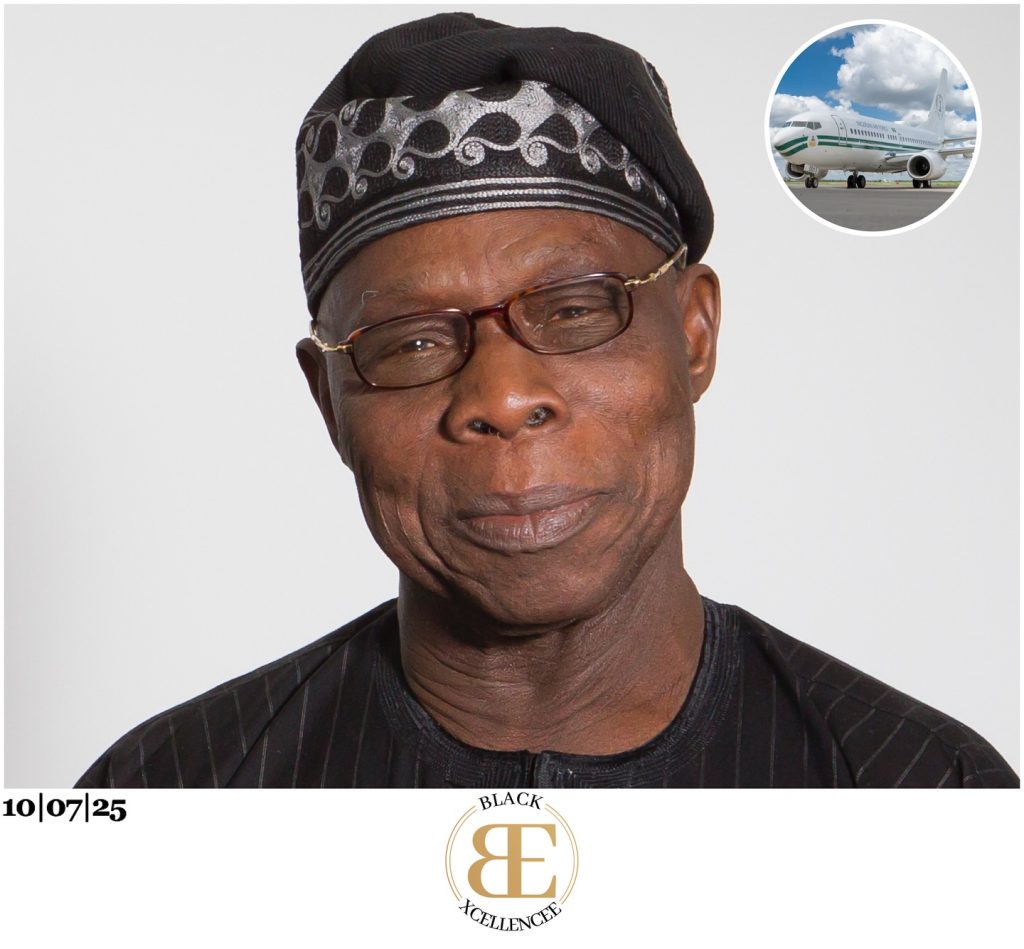
A Boeing Business Jet 737-700 once reserved for the highest office in Nigeria is now quietly on the market in Switzerland. The aircraft, which was purchased by the Nigerian government in 2005 for a reported $43 million, originally served as the official presidential jet under former President Olusegun Obasanjo and has now surfaced in international listings, available for sale to the highest bidder.
The jet is being marketed as a “single-owner aircraft,” despite its service under a head of state — a phrase that, while technically accurate, raises important questions about how state assets are decommissioned, recorded, and repurposed. The sale price remains undisclosed, listed only as “available upon request,” fueling public curiosity and scrutiny back in Nigeria.
A Symbol of Power, Now a Commodity
The Boeing Business Jet (BBJ), based on the commercial Boeing 737-700 airframe, is a luxury-configured aircraft designed for heads of state, royalty, and ultra-high-net-worth individuals. It typically includes private bedrooms, meeting rooms, secure communication facilities, and luxury furnishings — features meant to reflect both national pride and executive function.
Nigeria’s acquisition of the jet in 2005 marked a significant upgrade to the presidential fleet at the time. Then-President Obasanjo’s administration touted the aircraft as a necessary tool for diplomacy, speed, and national security — capable of intercontinental flights and executive transport at the highest level.
For many Nigerians, the BBJ was not merely an airplane; it was a symbol of state power, modernization, and prestige. Its presence at tarmacs across Africa and beyond represented Nigeria’s commitment to projecting itself as a continental power with global reach.
Why Is It Being Sold — and by Whom?
The jet’s appearance on the market in Switzerland, rather than Nigeria, suggests that it may have been sold off through third-party brokerage in earlier years, likely under subsequent administrations. While records of presidential fleet changes are rarely made fully public, various administrations have decommissioned or replaced aircraft for cost-cutting, fleet modernization, or maintenance reasons.
Industry sources confirm that the listing is handled by a Swiss-based aircraft broker, which specializes in discreet transactions of government and VIP aircraft. The jet is described as well-maintained and low-cycle, meaning it has relatively fewer flight hours compared to typical commercial jets — a fact that increases its market appeal.
However, there is no clear public documentation on when or how the Nigerian government transferred ownership of the aircraft, or whether the sale process was transparent and audited. This has reignited calls among civil society groups for greater accountability and visibility over Nigeria’s high-value state assets, especially those acquired with taxpayer funds.
Financial Questions and Public Reactions
The original purchase of the jet in 2005 for $43 million was a subject of intense debate. At the time, critics argued that such spending was excessive for a developing country with widespread poverty and infrastructural deficits. Proponents defended the purchase as necessary for statecraft and long-term use.
Now, twenty years later, its potential sale raises a different set of questions:
Has the jet been maintained properly during its life span?
Who handled its decommissioning?
Was it sold at market value, or below valuation?
Was the public properly informed about the asset’s transfer?
In the absence of answers, Nigerians have taken to social media and news platforms to express a mix of nostalgia, outrage, and suspicion.
“Sold in Switzerland? And we don’t even know the buyer? This is how our national history is quietly erased,” said one online commentator.
Others, however, see the sale as practical. “We cannot afford to keep every symbol of the past. It’s a jet, not a museum. Sell it and invest in schools,” tweeted another user.
The Broader Issue: State Asset Management in Nigeria
This event highlights a broader issue that has long plagued public finance in Nigeria: a lack of clear protocols for asset acquisition, valuation, and disposal. From buildings to vehicles and aircraft, the process through which government property is transferred or retired is often shrouded in bureaucracy and silence.
Experts in aviation governance note that in most developed countries, the sale of decommissioned government aircraft involves some level of public notice, record-keeping, and valuation disclosure. In Nigeria, however, such transactions often occur under layers of discretion that make audit trails difficult, if not impossible, to trace.
What becomes of other presidential aircraft in the Nigerian fleet remains unclear. As of 2023, the Presidency was reported to have at least 10 aircraft, including multiple helicopters and long-range jets such as the Gulfstream G550. Calls for downsizing the fleet to reduce government expenditure have often been ignored or only partially acted upon.
The Legacy of a President in the Sky
That the jet was once flown by President Obasanjo adds another layer of historical interest. Obasanjo, who served two terms from 1999 to 2007, played a critical role in Nigeria’s post-military democratic consolidation. The aircraft was part of that new national image he sought to project — one of competence, sovereignty, and engagement with the world.
Now, the plane’s transition into private hands — in a quiet hangar somewhere in Europe — raises deeper questions about how we remember and manage our national symbols. What began as a tool of statecraft may now become a private toy for a billionaire, a charter fleet asset, or simply a relic of Nigeria’s complicated modern history.