
Ogun State Government to Partner Private Sector to Promote and Preserve Cultural Heritage
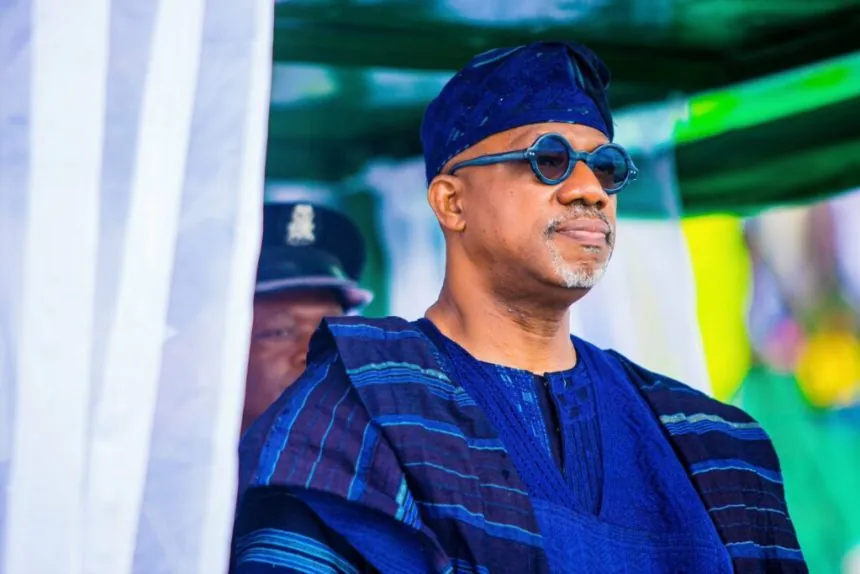
In a bold move to preserve indigenous traditions and drive cultural tourism, the Ogun State Government has announced plans to collaborate with the private sector to promote and safeguard the state’s rich cultural heritage.
The announcement was made during a press briefing held in Abeokuta, the state capital, by the Commissioner for Culture and Tourism, Hon. Abiodun Akinlade, who emphasized the urgent need to protect Ogun’s ancestral legacies from erosion due to modernization, youth disinterest, and underfunding.
A Cultural Goldmine Under Threat
Ogun State — home to legendary figures like Fela Kuti, Wole Soyinka, and Chief Obafemi Awolowo — boasts some of the most revered cultural institutions, festivals, and heritage sites in Nigeria. From the Olumo Rock to the Oronna Shrine in Ilaro, from Egungun masquerade traditions to Ake Arts and Book Festival, the state’s cultural offerings are as diverse as they are historic.
However, many of these sites and traditions have suffered neglect due to poor maintenance, lack of investment, and the absence of structured documentation or digital preservation.
“We are sitting on a cultural treasure chest that must not be lost. Our children deserve to inherit stories, places, and festivals that shaped who we are,” said Akinlade.
The Partnership Blueprint
The state government revealed a framework that includes:
-
Private Investment in Restoration Projects – Historic buildings, heritage museums, and sacred groves to be restored with corporate support.
-
Festival Branding and Sponsorships – Major cultural events like Lisabi Day, Ojude Oba Festival, and Iganmode Day to receive structured funding and global promotion.
-
Digital Documentation – Collaborations with tech firms and cultural NGOs to digitize oral traditions, archival materials, and disappearing languages.
-
Cultural Tourism Hubs – Development of new visitor centers, tour packages, and curated heritage trails powered by hospitality companies and tour operators.
Already, talks are underway with key private firms in hospitality, media, fintech, real estate, and fashion, all with the potential to infuse innovation and funding into the state’s cultural sector.
Economic, Social and Identity Impact
According to the Commissioner, the goal is not just cultural preservation, but economic revitalization.
“Culture is not just who we are — it is what we can trade. With proper branding and investment, our cultural sector can become a billion-naira industry that creates jobs, empowers communities, and attracts global attention.”
He noted that the state will also roll out training programs for local artisans, tour guides, and traditional custodians to ensure sustainability and skills transfer.
Voices from the Cultural Sector
Historians, curators, and traditional rulers have welcomed the development. Oba Adedotun Gbadebo, the Alake of Egbaland, called the move “timely and necessary,” noting that cultural extinction is a real threat in the 21st century if communities fail to adapt.
Cultural entrepreneur and museum consultant Temidayo Ogunleye added,
“This partnership could be a game-changer if handled with integrity and long-term commitment. Our culture is our soft power.”
The Ogun State Government’s approach signals a paradigm shift in cultural governance, recognizing that collaboration — not isolation — is the key to sustainable preservation. With increasing interest in African identity, diaspora tourism, and indigenous knowledge systems, this initiative positions Ogun State as a leader in modern heritage management.
If successful, it may become a model for other Nigerian states to follow — blending tradition with innovation, memory with modernity.