
From tribute to tension: How Buhari’s burial sparked political storm
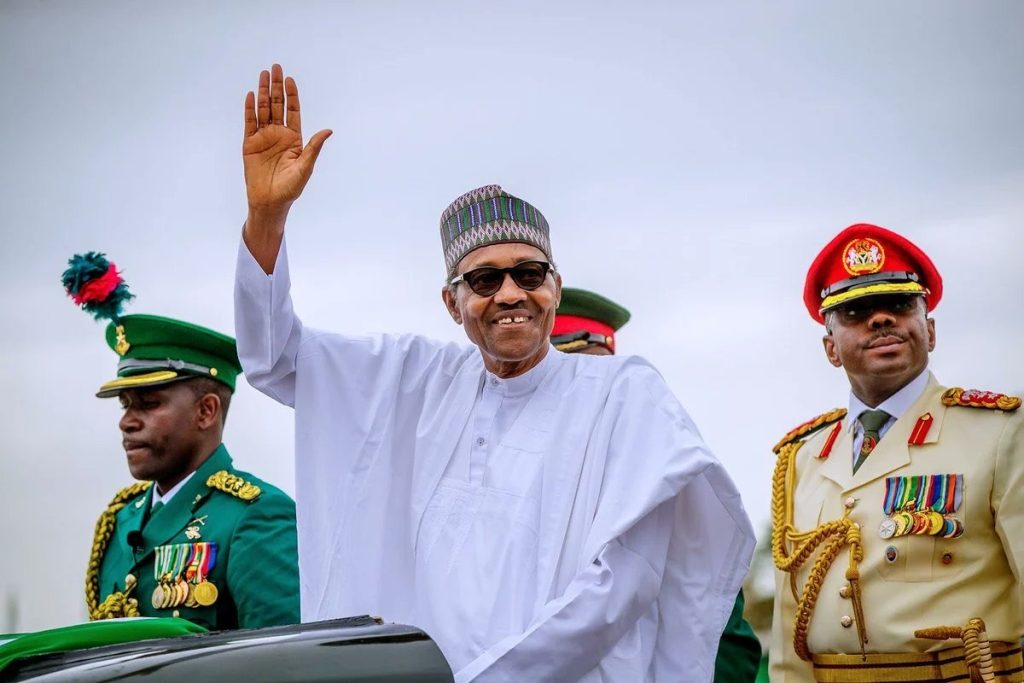
What began as a solemn farewell to former President Muhammadu Buhari has rapidly escalated into a political firestorm, dividing opinions and reigniting long-held grievances across Nigeria.
The burial ceremony, held with full state honors, saw high-profile tributes from sitting and former leaders, including President Bola Tinubu, who praised Buhari for his “unyielding service” to the nation. Dignitaries from across Africa and beyond poured in condolence messages, highlighting Buhari’s regional influence.
However, the mood shifted sharply as critical voices emerged. Activist and Afrobeat singer Seun Kuti made headlines when he condemned the national mourning, stating that Buhari “died after achieving everything he wanted on our backs.” His comments struck a chord with many Nigerians still reeling from the economic and social fallout of Buhari’s administration.
The political tension deepened as former presidential aide Femi Adesina expressed shock at the ex-leader’s passing, saying, “I thought Buhari had 10 more years to live.” On the other side, opposition leaders accused the current administration of politicizing the burial, especially after President Tinubu announced the renaming of the University of Maiduguri in Buhari’s honor.
Social media has since erupted with mixed reactions—while loyalists praised the move as a fitting legacy for a man they consider a patriot, critics argue it was an attempt to whitewash years of hardship, insecurity, and controversial policy decisions.
As Nigeria reflects on Buhari’s legacy, his burial has not only marked the end of an era but also reignited debate on leadership, justice, and the true cost of power in the country.