
Wike Urges Nigerians to Shun ADC’s Proposed Coalition Ahead of 2027
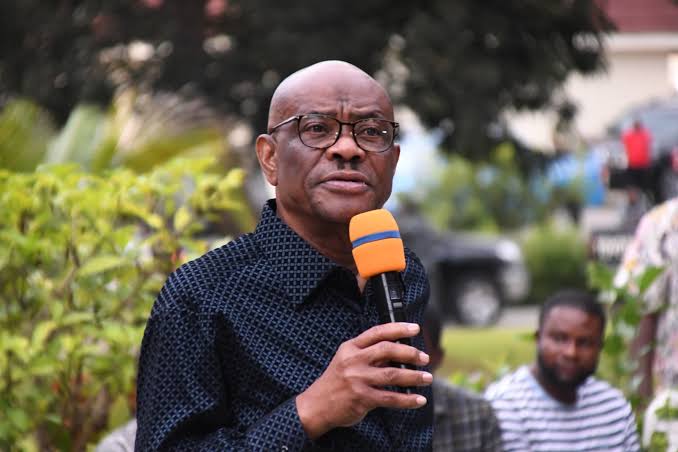
Minister of the Federal Capital Territory and former Governor of Rivers State, Nyesom Wike, has strongly urged Nigerians to dismiss the recently announced coalition initiative by the African Democratic Congress (ADC), describing it as a weak political strategy driven by desperation rather than genuine vision for national progress.
Speaking during a high-level stakeholders’ meeting in Abuja on Sunday, Wike criticized what he termed as “opportunistic and recycled political alliances,” claiming that the proposed coalition lacks any meaningful agenda or policy foundation. He emphasized that such moves are often orchestrated by individuals who have lost political footing and are now trying to regain relevance through artificial unification.
“What exactly is their ideology? Nigerians are now politically awake. We can’t be deceived by people who just wake up and form coalitions because they want to stay in power or return to power,” Wike said.
He warned that these kinds of political arrangements—particularly those formed outside of clear developmental goals—have historically failed to serve the interests of the people. According to him, the ADC coalition, instead of focusing on economic recovery, national security, or social welfare, appears to be built purely on political calculations and media optics.
Wike further advised the public to remain focused on the performance of existing administrations at federal and state levels, and to demand accountability and delivery rather than being distracted by “pre-2027 gimmicks.”
He called on political parties to invest in credible leadership, internal democracy, and realistic policy blueprints if they truly intend to contribute to the country’s future.
The ADC had earlier announced plans to form a broad political coalition to challenge dominant parties in the next general election. While details of the coalition remain vague, political analysts say it appears to be an early attempt to rally fragmented opposition groups under a common banner. Wike, however, believes that Nigerians deserve more than “hurried alliances formed in backrooms.”
His comments come amid renewed political tensions and positioning ahead of the 2027 elections, with many politicians already declaring intentions or aligning with emerging movements.
As the political season begins to build momentum, Wike’s remarks are a clear signal that not all influential stakeholders are buying into the idea of a third-force coalition—at least not one without structure or substance.