
Nigerian leaders should take lesson from Buhari’s death
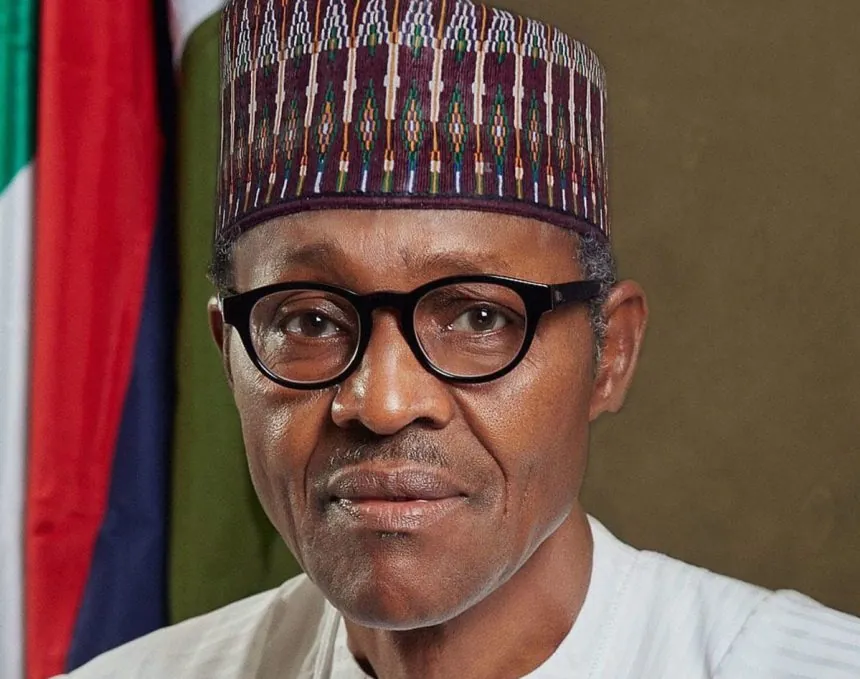
The passing of former President Muhammadu Buhari on July 5, 2025, has triggered a wave of tributes and debates about his legacy — not only as a former head of state but as a symbol of Nigeria’s complex journey through military dictatorship, democratic transition, and fragile governance.
As Nigerians observe the national mourning period and prepare for his state burial, the death of Buhari should not be treated merely as the end of a political chapter. Instead, it presents a critical opportunity for national introspection — especially among current and aspiring leaders.
The real tribute to Buhari’s life should not lie in gun salutes or marble tombs, but in lessons learned from both his strengths and his shortcomings.
Lesson 1: Integrity Is Not Optional in Public Office
One of the most consistent things even Buhari’s critics admit is that he lived a simple and disciplined personal life. Throughout his years in public service, Buhari maintained a reputation for integrity, austerity, and an aversion to ostentatious displays of wealth.
This is a legacy Nigerian leaders must embrace.
While integrity alone is not enough to solve national problems, it is the foundation upon which trust is built. In a country plagued by corruption and public cynicism, any leader aspiring to govern must demonstrate accountability in both private conduct and public duty.
Lesson 2: Strong Leadership Must Be Matched With Emotional Intelligence
Buhari’s military-style leadership — rooted in discipline and control — worked well during certain crises, especially in moments requiring law and order. However, many Nigerians felt alienated by his rigid, aloof, and often silent demeanor, particularly in times of national trauma.
Leaders today must understand that leadership is not just about enforcement and authority, but about connection, empathy, and active listening. A leader must not only fight banditry or build infrastructure — they must speak to the pain and dreams of the people they serve.
Lesson 3: National Unity Must Be Practiced, Not Just Preached
Buhari often spoke of national unity, but his presidency was frequently criticized for favoritism in appointments, perceived ethnic biases, and uneven development across regions. This deepened Nigeria’s fault lines and made many feel excluded from the national project.
Future leaders must not repeat this mistake. A united Nigeria is not built through slogans, but through inclusive governance, regional equity, and true federalism. If Buhari’s passing teaches us anything, it’s that history remembers not just what you said — but what you did with power.
Lesson 4: Legacy Is Built Over Time — But It Must Be Built Wisely
Buhari’s legacy is complicated. For every major project like the Second Niger Bridge, there were long-standing issues like insecurity, youth unemployment, and a struggling economy that remained unresolved. His death brings this duality into sharper focus: You may serve for years, but what will the people remember?
This should challenge current and future leaders to lead intentionally, not just politically. To leave behind a legacy, not just a tenure. The question every leader must ask now is: What will I be remembered for when I am gone?
In the end, Muhammadu Buhari’s death is more than a headline — it is a mirror held up to Nigerian leadership. It shows that power is temporary, applause is fleeting, and the real measure of leadership is what survives after the office, the convoy, and the cameras are gone.
Nigerian leaders at all levels must learn from the moment, not just mourn the man. Let this not be another funeral filled with platitudes, but the start of a new era of reflective, responsible, and reform-driven leadership.
Because at the end of every political journey — it’s not the position that counts, but the purpose it served.