
President Tinubu Constitutes National Committee for Buhari’s State Burial
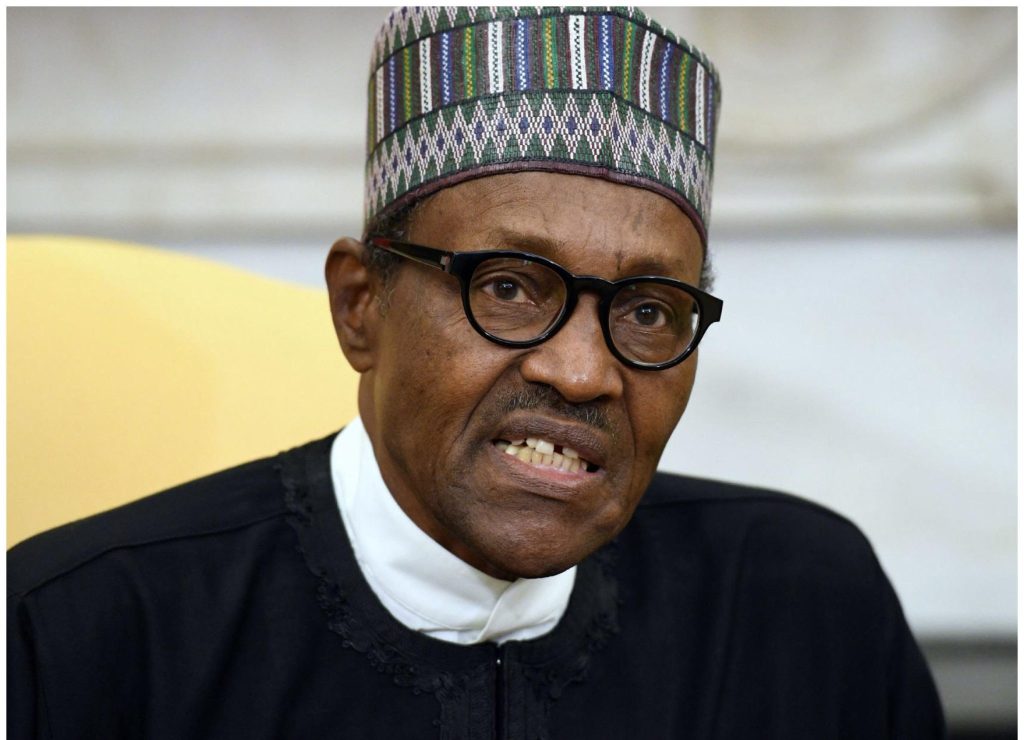
In a historic gesture of honor and national mourning, President Bola Ahmed Tinubu has formally constituted a high-level committee to oversee the state burial of former President Muhammadu Buhari, following his passing last week at the age of 82. The committee, which includes serving ministers, former heads of state, top military officials, religious leaders, and cultural representatives, is tasked with organizing what is expected to be one of the most elaborate state funerals in Nigeria’s modern history.
The decision, announced in an official statement by Presidential Spokesman Ajuri Ngelale, reflects both the significance of Buhari’s political legacy and the government’s commitment to giving him a dignified and nationally inclusive farewell.
A National Tribute to a Controversial but Towering Figure
Former President Muhammadu Buhari, who ruled Nigeria first as a military head of state (1983–1985) and later as a democratically elected president (2015–2023), remains one of the most iconic and polarizing figures in Nigerian politics. His death on July 5, 2025, in Daura, Katsina State, sparked a wave of national and international tributes.
Although reactions to his legacy remain mixed — with critics pointing to economic challenges and civil liberty concerns during his tenure — even his strongest opponents acknowledge his austere leadership style, anti-corruption stance, and role in stabilizing democracy after multiple transitions of power.
“Buhari was a patriot. A soldier. A statesman,” President Tinubu said in his condolence message. “His contributions to Nigeria’s unity and identity are indelible. We owe him a funeral worthy of his service.”
Committee Composition and Responsibilities
The State Burial Committee will be chaired by Vice President Kashim Shettima, and co-chaired by Secretary to the Government of the Federation, Senator George Akume. Other prominent members include:
-
Minister of Defence
-
Minister of Information and Culture
-
Inspector-General of Police
-
Chief of Defence Staff
-
Former Presidents Olusegun Obasanjo and Goodluck Jonathan (advisory role)
-
Representative of the Northern Elders Forum
-
Leadership of the Christian Association of Nigeria (CAN) and the Supreme Council for Islamic Affairs
The committee is expected to:
-
Coordinate a seven-day national mourning program
-
Organize tributes and interfaith prayer services in Abuja, Lagos, Kaduna, and Daura
-
Facilitate a national symposium on Buhari’s legacy
-
Manage the logistics of a military-led burial parade in Daura, his ancestral hometown
According to the presidency, Buhari will be laid to rest in line with Islamic rites, but the ceremonies will include full military honors, including a 21-gun salute, honor guard procession, and international dignitary attendance.
Public Mourning and Legacy Debates
Across the country, flags are flying at half-mast and condolence registers have been opened at all state government houses and Nigerian embassies abroad. Schools, religious centers, and market associations have also begun organizing their own tribute events.
However, Buhari’s death has reignited public debate over his administration’s impact. While supporters praise his integrity and infrastructural strides — including the Second Niger Bridge and rail revitalization projects — critics argue his government struggled with insecurity, inflation, and a declining middle class.
Regardless of the divergence in opinion, the mood in Nigeria is one of respect, solemnity, and historical reflection.
President Tinubu’s decision to spearhead an inclusive and dignified state burial for Buhari marks a moment of national unity amid political and regional divisions. As preparations unfold, Nigerians — both admirers and critics — are taking this time to re-examine the life and leadership of a man who profoundly shaped the country’s political landscape for over four decades.
The coming days will be filled with eulogies, analysis, prayers, and public emotion — all part of saying goodbye to a leader whose legacy will continue to be studied, debated, and remembered for generations.