
Olubadan Was a Beacon of Wisdom, Custodian of Yoruba Culture – ADC
📅 Date: May 8, 2025
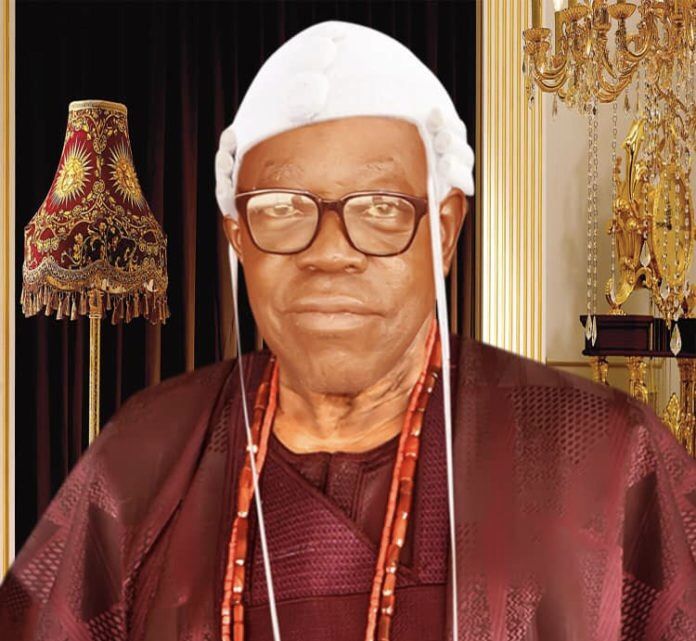
The African Democratic Congress (ADC) has joined the growing chorus of voices paying tribute to the late Olubadan of Ibadanland, describing him as a beacon of wisdom, a unifying figure, and one of the last true guardians of Yoruba cultural identity.
In a statement signed by the party’s national spokesperson, the ADC described the late monarch as “a cultural icon whose influence went far beyond Ibadan, into the heart of Yorubaland and across Nigeria’s traditional landscape.”
“The Olubadan was not just a ruler of a city; he was the heartbeat of a people — the embodiment of dignity, intellect, and tradition,” the party wrote.
A Reign Rooted in Royal Wisdom
The Olubadan, revered for his calm disposition and strategic wisdom, held one of the most respected traditional thrones in West Africa. Under his reign, Ibadanland saw increased attention to cultural festivals, language revitalization, and youth reorientation around Yoruba values.
His leadership style was marked by compassion, diplomacy, and a deep sense of historical responsibility — always striving to preserve the legacy of his forefathers while adapting wisely to the times.
“The palace of the Olubadan was not just a place of royalty; it was a university of culture,” said Professor Akintunde Babarinde, a Yoruba historian based in Ile-Ife.
Defender of Tradition in a Modern Age
As modern influences threatened to dilute indigenous practices, the Olubadan remained a strong defender of Yoruba traditions, regularly hosting cultural scholars, traditionalists, and spiritual leaders to discuss the future of heritage preservation.
He encouraged Yoruba people, especially the youth, to speak their language proudly, attend cultural events, and respect traditional institutions.
The ADC emphasized that his voice carried weight not just as a monarch but as a living repository of Yoruba philosophy, from proverbs to history, from etiquette to spirituality.
A Legacy That Transcends Borders
Throughout his time on the throne, the Olubadan was a bridge-builder between generations, regions, and ideologies. He mediated political and tribal disputes, hosted international delegations, and inspired monarchs across Nigeria with his humility and wisdom.
He was also well known for:
-
Advocating for peaceful co-existence among Yoruba, Hausa, and Igbo communities
-
Offering free advisory roles to young entrepreneurs, traditional titleholders, and politicians
-
Supporting arts and crafts, particularly among Ibadan’s creative youth population
“He modernized tradition without compromising its soul,” said Adebayo Akinlabi, a cultural activist in Lagos.
ADC’s Call for Cultural Rebirth
In its statement, the ADC urged other Yoruba leaders and the Nigerian government to not let the Olubadan’s efforts die with him, but to institutionalize his legacy through:
-
Cultural scholarships in his name
-
Festivals and public lectures dedicated to Yoruba tradition
-
Documentary archives preserving his reign and teachings
“A tree has fallen in the forest of culture. But its roots must sprout again — in every young person who chooses pride in their heritage.”
Urgent Need for Support of Traditional Institutions
The party also called on the federal and state governments to fund and protect traditional institutions, recognizing them as pillars of moral instruction, cultural preservation, and local governance.
They stressed that neglecting traditional rulers is a loss to national identity, especially in regions where religion and westernization continue to overshadow native knowledge systems.
“The Olubadan was the memory of a people. We must not allow cultural memory to fade,” the ADC’s statement concluded.
Final Note
As Ibadan mourns, Yorubaland reflects, and Nigeria takes note, it is clear that the Olubadan’s reign was not just about royalty, but about revival — the revival of culture, language, values, and unity.
“Kings like him come once in a lifetime. And when they do, they don’t just wear crowns — they carry heritage.”
His legacy is not buried with him. It lives in every spoken Yoruba word, every traditional festival, every chieftaincy title, and every young person proud of their identity.