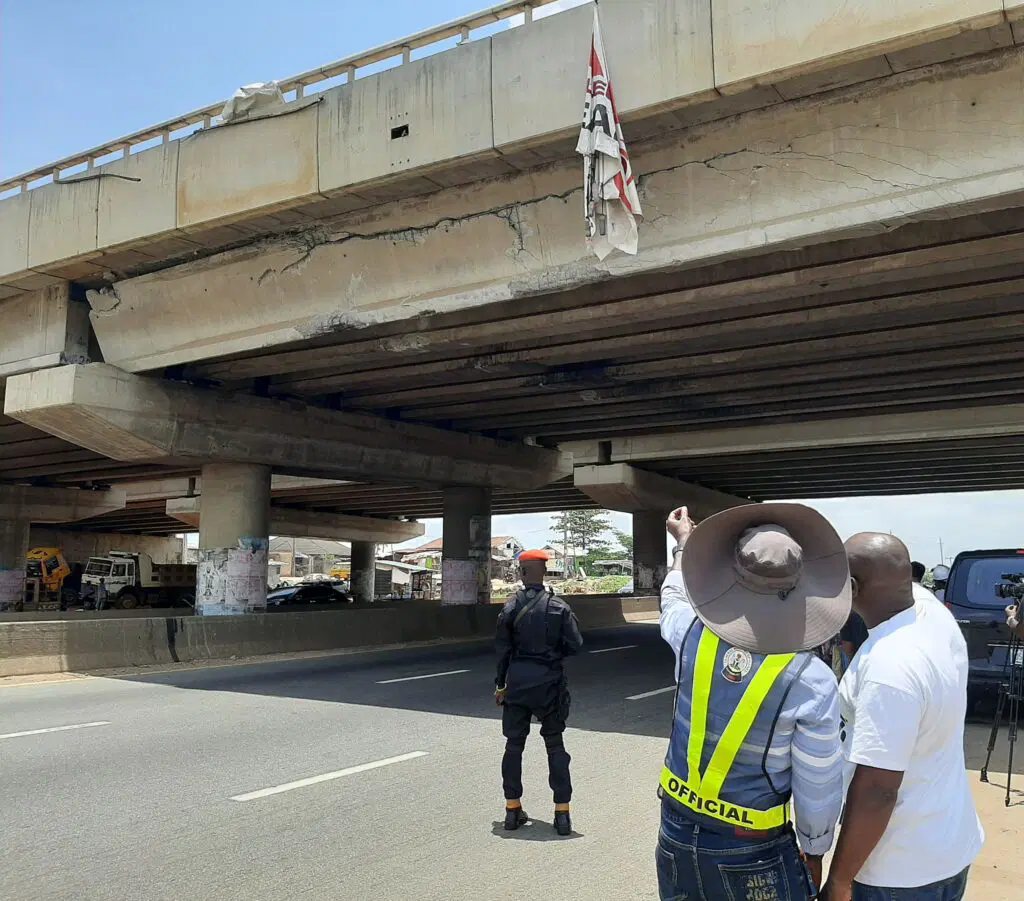
Bridge collapse is one of the most dramatic and dangerous infrastructure failures. When a bridge fails the result can be loss of life, severe economic disruption, and long term loss of public trust. Avoiding such disasters requires a combination of good design, rigorous maintenance, proactive inspection, smart funding, and community awareness. This article explains the main causes of bridge failure and outlines practical, evidence based steps governments, engineers, and citizens can take to reduce risk.
What causes bridges to fail
Understanding causes is the first step in preventing collapse. The most common factors include:
- Design and construction errors
Poor design choices, inadequate calculations, substandard materials, and poor workmanship at construction can create hidden vulnerabilities that appear under load or over time. - Material deterioration
Concrete spalling, steel corrosion, weakening of bearings and joints, and degradation of foundations can quietly reduce load capacity. - Poor maintenance and inspection
Bridges that are not inspected regularly or repaired promptly develop cumulative damage. Small defects left unattended become large problems. - Overloading and misuse
Vehicles that exceed specified weights, unregulated heavy truck traffic, and illicit local modifications can impose stresses beyond original design limits. - Extreme weather and climate effects
Floods, erosion, extreme heat, freeze and thaw cycles, and increased intensity of storms can undermine foundations and structural members. - Geotechnical failure
Scour around piers, subsidence, liquefaction during earthquakes, and poor soil conditions can compromise support systems. - Corruption and procurement failures
Low quality materials, unqualified contractors, cut corners, and projects awarded for political reasons instead of technical merit increase risk. - Lack of data and monitoring
Without sensors and historical records, gradual changes in behaviour go unnoticed until failure occurs.
Principles for prevention
Preventing collapse is not a single action. It is a system of practices that reinforce each other.
- Design for resilience
- Use conservative safety margins according to international standards.
- Account for probable future loads and climate stresses.
- Choose materials and structural systems that are durable in the local environment.
- Strict construction quality control
- Enforce material testing and certified workmanship at every stage.
- Apply independent oversight and third party verification for high risk elements.
- Routine inspection and condition assessment
- Implement scheduled visual inspections and periodic detailed inspections.
- Use standardized reporting to track defect progression.
- Prioritise repairs based on risk and consequence.
- Smart maintenance and lifecycle planning
- Adopt preventative maintenance rather than waiting for visible failure.
- Budget for lifecycle costs, not just initial construction cost.
- Replace critical elements before they reach end of useful life.