
📅 Date: July 8, 2025
For lovers of football, food, and immersive travel, Northern Spain offers more than just scenic coastlines and historic cathedrals — it offers a cultural experience wrapped in passion, flavor, and community spirit.
A recent travel documentary titled “Four Nights, Three Games” has spotlighted the Basque Country as one of the most vibrant and uniquely authentic football destinations in Europe — a place where the love for the game is deeply rooted in identity, cuisine, and language.
Beyond the Game: Football as Cultural DNA
The trip, captured over four nights, took football fans on a whirlwind experience across Bilbao, San Sebastián (Donostia), and Vitoria-Gasteiz, where football is not just a sport — it’s a living expression of heritage.
-
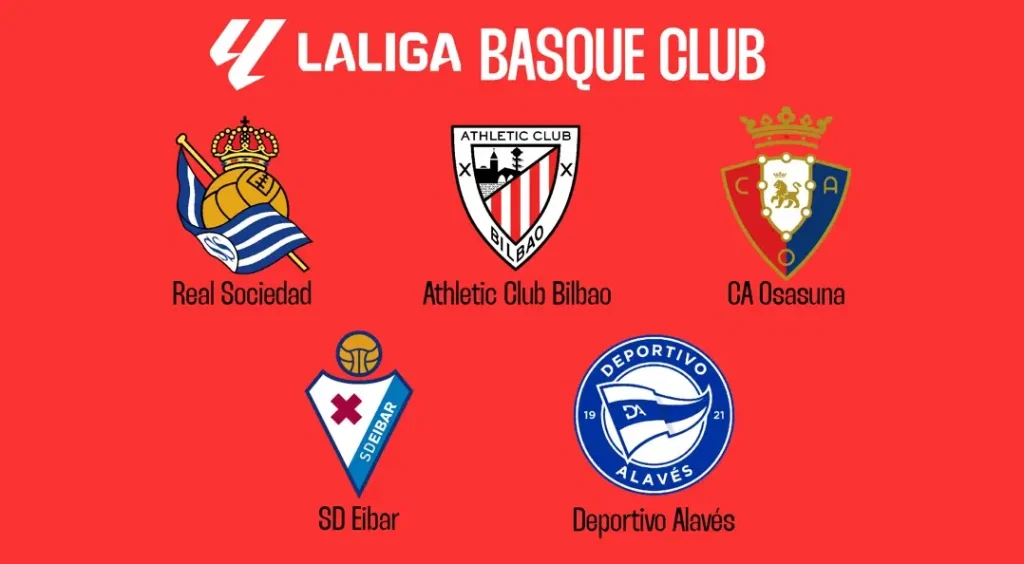
Athletic Bilbao, famous for only fielding Basque players, is more than a club — it’s a statement of regional pride.
-
Real Sociedad, based in San Sebastián, is known for elegant football, passionate fans, and seaside stadium views.
-
Deportivo Alavés, the pride of Vitoria, offers a raw and grounded matchday experience rooted in community tradition.
Each match wasn’t just 90 minutes of play — it was a cultural ritual complete with chants in Euskara (Basque language), local club customs, and neighborhood celebrations that blurred the line between sports and folklore.
Pintxos & Rioja: Food as Fandom
No football trip through the Basque Country would be complete without indulging in the region’s culinary culture. Each night, travelers roamed the narrow stone streets lined with pintxos bars, hopping from one tavern to another with a glass of Rioja wine or Basque cider in hand.
-
Pintxos, small, flavorful bites often skewered on bread, are Basque culture on a plate. Fans and tourists alike gather to eat, chat football, and debate tactics — all in communal joy.
-
Rioja, the region’s beloved red wine, flows freely in celebratory toasts after a home win or a thrilling draw.
These experiences aren’t just gastronomic — they’re social and symbolic. They connect the dots between food, place, and football loyalty.
“In the Basque Country, football doesn’t just live in stadiums — it lives in kitchens, bars, and corner plazas,” said Javier Alustiza, a football guide and culture writer.
Language, Loyalty & Localism
One standout of the experience was the strong presence of the Basque identity. From stadium banners to chants, the Euskara language was proudly spoken and sung. This linguistic pride echoed a deeper loyalty to heritage, especially in Bilbao and Donostia, where football has historically been a form of peaceful resistance and self-expression.
“Supporting Athletic or La Real is not just about points — it’s about who we are. It’s our story,” a local fan said, wrapped in a club scarf.
Football shirts here are more than merchandise — they are symbols of cultural solidarity, passed down across generations.
The Matchday Atmosphere
Each match carried a different flavor:
-
San Mamés (Bilbao) – Known as La Catedral, it offered a spiritual intensity, where even defeats feel like sacred lessons.
-
Reale Arena (San Sebastián) – Coastal views, fluid play, and a sense of elegance define matchdays.
-
Mendizorrotza (Vitoria) – Smaller and grittier, but pulsing with raw passion and family atmosphere.
In every city, fans were both warm hosts and fierce loyalists, eager to share stories over drinks and sing club hymns until midnight.
A Cultural Journey Disguised as a Football Trip
What started as a sports getaway became an exploration of identity, language, gastronomy, and human connection. It’s a reminder that football, in the right place, is not just entertainment — it’s cultural storytelling in motion.
“We came for the football. We stayed for the soul of the Basque Country.”
Final Note
If you’re ever seeking a travel experience that blends intensity and intimacy, fandom and flavor, look no further than four nights in Basque country. Here, every pintxo is a pre-match ritual, every chant is a piece of history, and every stadium echoes with the pride of a people who have never forgotten who they are.
“In the Basque Country, football isn’t a weekend activity. It’s a way of life.”