
📅 Date: July 8, 2025
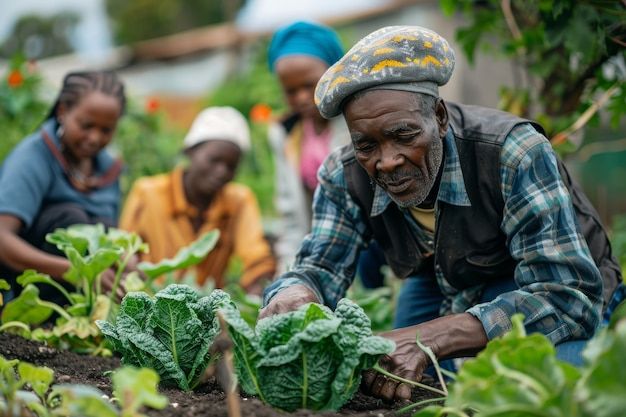
As Nigeria continues to grapple with rising food prices, child malnutrition, and climate-related agricultural challenges, the federal government is set to convene a National Summit on Nutrition and Food Security starting Monday, July 7, 2025.
The high-profile event will bring together policymakers, nutrition experts, farmers’ associations, civil society groups, donors, and development partners to brainstorm solutions aimed at strengthening food systems and tackling malnutrition across the country.
The summit, which will hold in Abuja, is expected to last for three days and is themed:
“Feeding the Nation: A New Era of Food and Nutrition Resilience.”
Why the Summit Matters
Nigeria, Africa’s most populous country, faces a growing nutrition crisis:
-
Over 12 million children under five are estimated to suffer from stunting or wasting due to poor nutrition.
-
Food insecurity has worsened due to insecurity in farming communities, inflation, and climate change effects such as drought and floods.
-
Many low-income households now struggle to access healthy, affordable meals, increasing risks of both malnutrition and hunger-related illnesses.
“We can’t talk about economic growth if our children are hungry. Nutrition is not just a health issue — it’s a national security concern,” said Dr. Habiba Lawal, Chair of the National Food Security Committee.
Key Focus Areas of the Summit
The summit will address both short-term humanitarian needs and long-term food system reforms, including:
-
Scaling up nutrition programs in schools, especially in rural and conflict-affected zones
-
Empowering smallholder farmers, especially women, with funding and land access
-
Boosting food production through mechanization and climate-smart agriculture
-
Developing national dietary guidelines to promote healthy eating
-
Creating a multi-sectoral action plan involving ministries of health, education, agriculture, and finance
Experts will also discuss the importance of biofortified crops, fortified baby foods, and traditional Nigerian ingredients that can be used to combat malnutrition naturally.
Voices from the Ground
Ahead of the summit, farmers and grassroots nutritionists have urged the government to move beyond policy talk and deliver tangible support.
“We need fertilizers, seeds, roads, and fair prices. Without this, all the talking will not put food on the table,” said Esther Ajayi, a cassava farmer from Kwara State.
Community health workers are also calling for nutrition education to be included in national curricula and antenatal programs, saying many cases of malnutrition are preventable with the right knowledge and support.
International Partnerships & Funding
Several international development agencies — including the World Food Programme (WFP), UNICEF, USAID, and the Bill & Melinda Gates Foundation — are expected to participate and announce new funding initiatives.
There are also plans to launch a “Nigeria Nutrition Dashboard”, a digital tool to track malnutrition hotspots, food aid delivery, and policy implementation in real time.
“What gets measured gets managed. We must use data to save lives,” said Dr. Emeka Udo, a digital health specialist.
Expectations and Outlook
At the summit’s conclusion, stakeholders are expected to sign a National Nutrition Compact, pledging renewed action, budget commitments, and collaborative partnerships across government tiers.
The success of the summit will be judged not by its speeches — but by how well its resolutions translate into food on Nigerian tables, especially for vulnerable children, pregnant women, displaced families, and urban poor households.
“Food is culture. Food is dignity. And food is power,” said Nutrition Ambassador and Nollywood actor Kate Henshaw, who will speak on the role of influencers in promoting healthy diets.
Final Note
As the National Nutrition and Food Security Summit begins, the stakes couldn’t be higher. With hunger threatening both health and harmony, Nigeria must act boldly to ensure that no citizen goes to bed hungry in the land of abundant potential.
“Feeding a nation is more than agriculture — it is a commitment to humanity.”